

A car rarely loses its calm all at once. It starts with a faint tug through the steering wheel, a dull vibration after a pothole, or that uneasy drift you feel when the road bends harder than expected. Ultra Axle Tech matters because control begins long before the tires meet a sharp corner or the brakes face a hard stop. The axle system carries weight, transfers force, and quietly decides whether your vehicle feels planted or nervous.
Drivers often blame tires first, then shocks, then alignment, but the axle is the silent middleman holding those pieces in conversation. When it is neglected, smooth control turns into guesswork. When it is understood, the whole vehicle feels more honest under your hands. For readers who follow practical auto topics through trusted automotive coverage like PR Network, axle care deserves a place near the top of the list. It is not glamorous. It is better than glamorous. It is the part of vehicle handling that keeps bad surprises from becoming expensive ones.
Ultra Axle Tech Starts With How Force Moves Through the Car
Good control starts with force taking a clean path through the vehicle. The engine sends power, the road pushes back, and the axle has to carry that argument without twisting the experience into noise, shake, or uneven pull. This is where many drivers misunderstand the system. An axle is not only a bar or shaft. It is a working link between power, weight, steering response, and road stability.
Why axle load changes how steering feels
Every turn shifts weight across the vehicle. A slow parking-lot turn barely asks the axle system to work, but a highway lane change adds speed, side load, and tire scrub all at once. When the axle assembly is tired, bent, loose, or poorly matched to the vehicle, the steering wheel may feel delayed before the car follows your command.
That delay can be small enough to ignore for months. Then one wet road exposes it. The car does not need to slide dramatically to warn you; it may only feel unsettled for half a second longer than it should. That half second is the gap where confidence disappears.
A simple example comes from carrying extra cargo in the rear. The added weight changes axle load, which changes how the tires press into the road. If the axle geometry is already weak, smooth control suffers because the rear of the car no longer follows the front with clean timing.
How road stability depends on axle balance
Road stability is not only about staying straight. It is about how calmly the vehicle reacts when the road stops being kind. A rough bridge joint, an uneven shoulder, or a fast curve can all reveal whether the axle system is sharing force evenly from side to side.
Many drivers notice this first as wandering. The vehicle needs small corrections even on a normal road, and the steering never settles into that relaxed center feel. Tires may still look fine. The suspension may still pass a quick glance. Yet the axle can be feeding uneven movement into the whole chassis.
The unexpected part is that road stability often improves before any big part is replaced. Tightening worn mounts, correcting alignment after axle work, and checking bearings can return a surprising amount of calm. The car feels less busy, and the driver works less to keep it in line.
Axle Condition Shapes Comfort More Than Most Drivers Expect
Comfort is not separate from control. A quiet cabin and a steady steering wheel come from parts doing their jobs without argument. Once the axle starts sending vibration, looseness, or uneven motion through the car, comfort drops before safety feels threatened. That early discomfort is useful. It gives you a chance to act before damage spreads.
What vibration says about axle maintenance
Vibration is not background character. It is a message. A worn CV joint, damaged axle shaft, weak bearing, or poor axle balance can send a pulse through the floor, pedals, or steering wheel. The location of the vibration matters because each area tells a different story.
A shake during acceleration often points toward a driveline or axle issue rather than a simple tire problem. A clicking sound while turning can point toward joint wear. A low hum that grows with speed may come from bearing stress. None of these clues should be treated as noise you “get used to.”
Good axle maintenance works because it respects small warnings. Waiting until the sound becomes dramatic usually means nearby parts have been dragged into the problem. A worn joint can stress seals. A failing bearing can affect wheel movement. A bent shaft can create tire wear that no rotation schedule will fix.
Why smooth control depends on small tolerances
Vehicle handling lives inside tiny margins. A few millimeters of movement in the wrong place can change how the car tracks, brakes, and turns. That sounds fussy until you feel the difference between a car that glides through a curve and one that seems to argue with every steering input.
Axle parts are built to hold position under load. When bushings soften, joints loosen, or mounting points shift, the wheels may not stay aimed where the alignment sheet says they should. Static alignment numbers can look acceptable while the vehicle still feels unsettled under real driving force.
The counterintuitive truth is that comfort problems often reveal control problems early. A vibration, clunk, or mild wander may feel like an annoyance, but it can be the first sign that the axle is no longer holding its line under pressure. The smart move is to read comfort complaints as mechanical clues, not as personality traits of an aging car.
Better Vehicle Handling Comes From Matching Parts to Driving Reality
Parts do not perform in a vacuum. A commuter car, delivery van, lifted truck, and weekend tow vehicle all ask different things from the axle system. The best setup is not always the strongest-looking one. It is the one that matches the vehicle’s weight, use, road conditions, and service habits.
Choosing components for real road use
A driver who spends most days on smooth city streets does not need the same axle setup as someone who hauls tools over broken roads. Heavy-duty parts can help when the vehicle carries load often, but they can also create harshness when used without need. Balance matters more than bragging rights.
For daily drivers, the right focus is usually clean fitment, quality joints, sound seals, and correct installation. A bargain axle that saves money on day one can create poor vehicle handling if tolerances are loose or materials wear early. Cheap parts rarely stay cheap once labor is counted twice.
A grounded example is the front-wheel-drive car with repeated CV axle replacements. The part may not be the only issue. Bad engine mounts can change axle angle under acceleration, which stresses the joint. Replacing the axle again without fixing the mount is like mopping under a leaking tap.
How driving habits wear axle systems differently
Driving style leaves fingerprints on axle parts. Hard launches, sharp curb strikes, heavy towing, deep potholes, and late braking all create stress in different ways. No single habit ruins an axle overnight, but repeated abuse builds a pattern the metal and joints remember.
City driving can be harder on axle maintenance than open-road driving because low-speed turns happen constantly. Parking maneuvers, tight driveways, and stop-start acceleration keep CV joints working at angles. Highway driving adds heat and speed instead, which can expose balance or bearing issues.
Road stability improves when service choices match the way you drive. A driver who tows should check axle seals and bearings more often. A driver in rough-road areas should inspect boots, mounts, and alignment after harsh impacts. A driver who hears clicking while turning should not wait for the sound to become a soundtrack.
Smart Inspection Turns Axle Care Into a Control Strategy
Inspection should not be treated as a panic move after something breaks. It is the habit that keeps smooth control from fading slowly enough that you stop noticing. A good axle check connects symptoms, road feel, tire wear, and driving conditions into one clear picture.
What to check before blaming the tires
Tires deserve attention, but they take too much blame. Uneven tread wear may come from inflation, alignment, suspension weakness, or axle movement. Replacing tires without checking the axle can hide the problem for a short while, then the same wear pattern returns.
Start with visible signs. Look for torn axle boots, grease spray near joints, leaking seals, rust around mounting points, and uneven wheel position. Listen during slow turns in an empty lot. Feel for vibration during steady acceleration. Notice whether the vehicle pulls only under power or all the time.
A technician should also check related parts, not the axle alone. Wheel bearings, control arms, mounts, hubs, and alignment all influence the final result. The axle may be the center of the complaint, but it rarely works alone. Good diagnosis respects the whole chain.
When repair beats replacement
Replacement is not always the smartest first move. Some control issues come from loose hardware, worn mounts, poor alignment, or damaged boots caught early. Repairing the cause can save the axle and protect nearby parts from extra strain.
There are moments when replacement makes sense. A bent shaft, badly worn joint, torn boot with long-term contamination, or noisy bearing demands action. The mistake is waiting until every symptom becomes obvious. By then, the axle problem may have damaged tires, hubs, or suspension parts that were innocent at the start.
A Complete Ultra Axle Tech Guide for Smooth Control is not about turning every driver into a mechanic. It is about helping you notice what the vehicle is saying before the repair bill starts speaking louder. Control is built through attention, not luck.
Conclusion
A calm vehicle is not an accident of good design alone. It stays calm because the parts carrying force, weight, and motion are still working in agreement. The axle system sits at the center of that agreement, and ignoring it weakens everything you depend on when the road gets uneven, wet, crowded, or fast.
Smooth control begins with habits that are easy to overlook: listening to new sounds, checking vibration early, matching parts to real driving, and asking for a full inspection instead of guessing. Ultra Axle Tech gives you a better way to think about vehicle handling because it connects comfort, safety, and mechanical wear into one practical picture.
The next step is simple: pay attention during your next drive, note what feels loose, noisy, or uneven, and schedule an axle-focused inspection before the warning signs grow teeth. A car that tracks cleanly gives you more than comfort; it gives you time, confidence, and control when it matters most.
Frequently Asked Questions
What is an axle tech guide for smooth control?
It explains how the axle system affects steering feel, vibration, road stability, and tire behavior. A good guide helps you understand warning signs before they turn into larger repair issues, especially when the vehicle starts pulling, shaking, clicking, or feeling unstable.
How does axle maintenance improve vehicle handling?
Regular axle maintenance keeps joints, boots, bearings, seals, and mounting points working correctly. When these parts stay tight and clean, the wheels respond with better timing, the steering feels calmer, and the vehicle holds its path with less correction from you.
What are the first signs of poor road stability?
Common signs include steering wander, vibration at speed, uneven tire wear, clunking over bumps, and a vehicle that feels nervous during lane changes. These symptoms can come from several areas, but the axle system should be checked early.
Can a bad axle cause steering wheel vibration?
Yes, a damaged axle shaft, worn CV joint, weak bearing, or poor driveline balance can cause steering wheel vibration. The timing matters: shaking during acceleration often points toward axle or driveline stress rather than a simple wheel balance issue.
Why does my car click when turning slowly?
A clicking sound during slow turns often points to CV joint wear, especially in front-wheel-drive vehicles. Torn boots allow dirt and moisture into the joint, which breaks down lubrication and creates the sharp clicking sound many drivers notice in parking lots.
How often should axle components be inspected?
Axle components should be checked during routine service, after hard pothole hits, before long trips, and whenever vibration, clicking, leaking, or uneven tire wear appears. Drivers who tow, carry heavy loads, or use rough roads should inspect them more often.
Does axle condition affect tire wear?
Yes, axle condition can affect tire wear because loose or damaged parts may change wheel position under load. Even if alignment looks acceptable while parked, worn axle-related components can shift during driving and create uneven tread patterns.
Is axle replacement better than axle repair?
Replacement is better when the axle shaft is bent, the joint is badly worn, or contamination has damaged the part beyond safe repair. Repair makes sense when the issue is caught early, such as a damaged boot, loose mount, or related alignment problem.
Related Posts
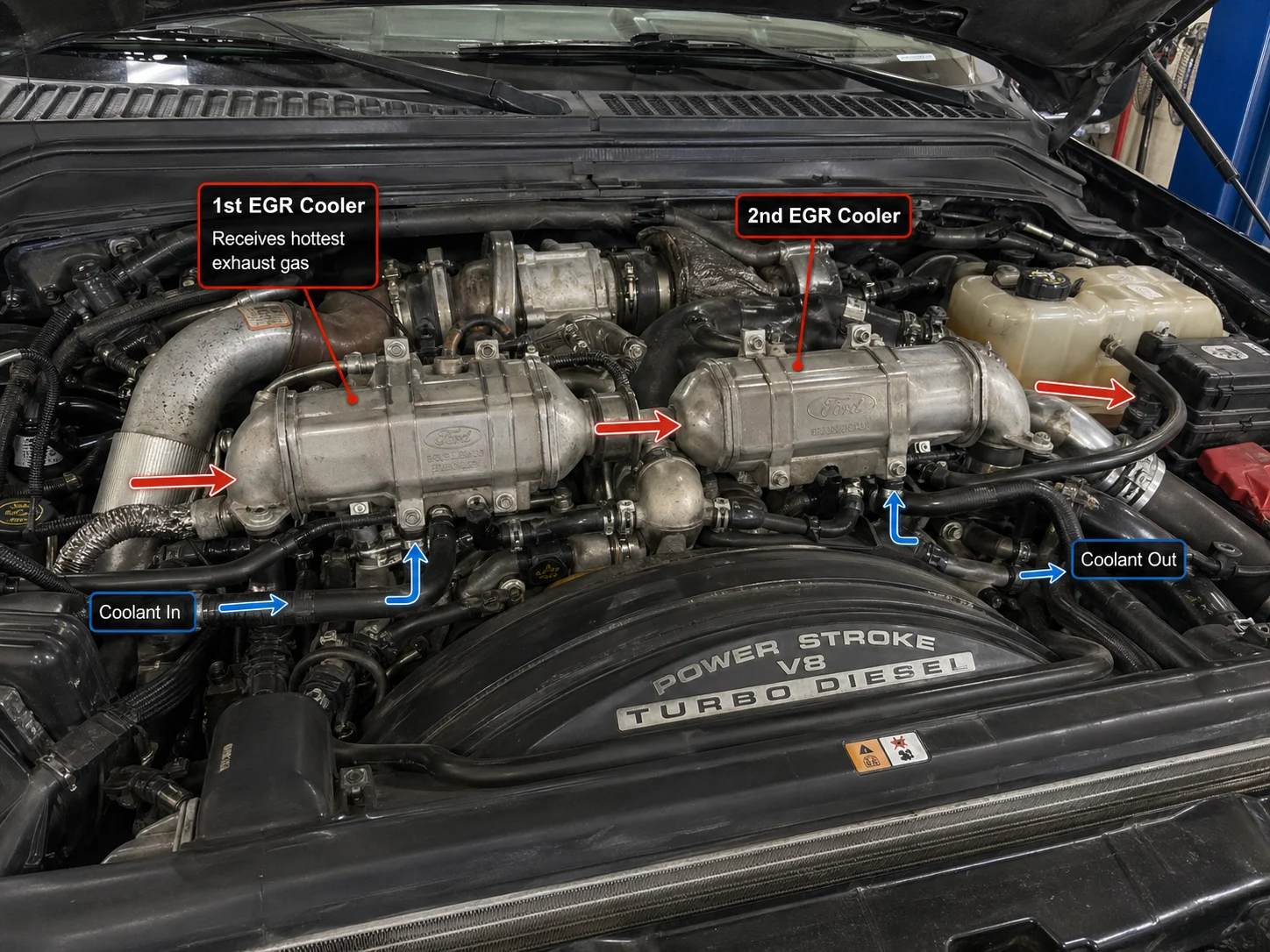
Sticking EGR Cooler Bypass Valve Symptoms in Ford Diesel Engines
A Ford diesel can hide a small air-control problem until…

Why Specialized Care Matters for European and Performance Vehicles?
Owning a European or high-performance vehicle comes with the expectation…

Advanced Ultra Axle Tech Ideas for Stronger Vehicles
A vehicle does not feel strong because the body looks…